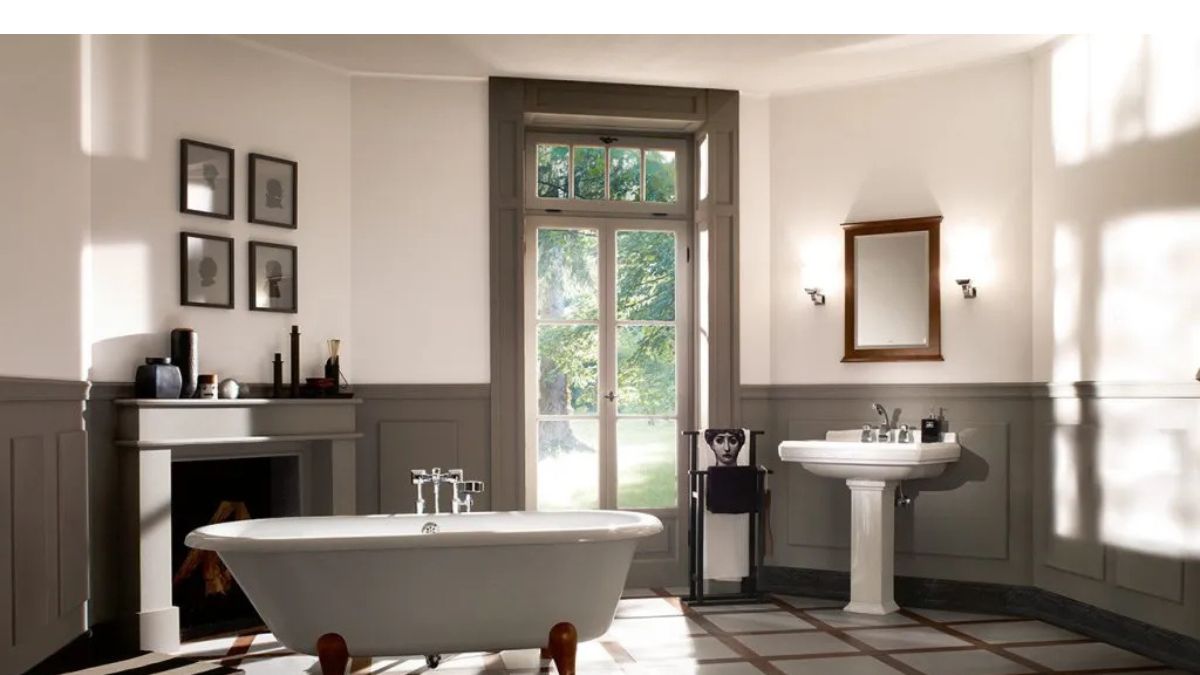
Accessible bathrooms have come a long way over the past decade. Gone are the days when accessibility meant sacrificing style for functionality. Today’s accessible bathroom designs combine modern aesthetics with thoughtful features that make everyday life easier for everyone, regardless of age or mobility.
Whether you’re renovating your forever home, planning for aging in place, or simply looking to create a safer and more comfortable bathroom, current design trends focus on universal design principles that benefit every member of the household.
Here’s a look at the accessible bathroom trends that are shaping bathroom renovations today.
Universal Design Is Leading the Way
One of the biggest trends isn’t a specific product it’s a different way of thinking.
Universal design is about creating spaces that are easy to use for as many people as possible without making them look institutional. Instead of adding accessibility features later, homeowners are incorporating them into the original design.
The result is a bathroom that feels modern, luxurious, and functional while being prepared for changing needs in the future.
This approach is becoming increasingly popular with homeowners of all ages because it adds convenience today while making the home more adaptable tomorrow.
Accessibility Doesn’t Mean Clinical
Modern accessible bathrooms don’t resemble hospital washrooms.
Today’s designs feature clean lines, premium materials, frameless glass showers, floating vanities, large-format tile, and elegant fixtures. Accessibility is often integrated so seamlessly that guests may not even notice the features until they’re needed.
This “invisible accessibility” has become one of the biggest trends in residential bathroom design.
Curbless Showers Continue to Grow in Popularity
Curbless showers, also known as barrier-free showers, have become one of the most requested features in modern bathroom renovations.
Rather than stepping over a raised threshold, the shower floor transitions smoothly from the bathroom floor.
This creates a cleaner appearance while also reducing one of the biggest trip hazards in the home.
Why Homeowners Love Them
Barrier-free showers offer several advantages.
They create a larger visual space.
They’re easier to clean because there are fewer corners and edges.
They’re ideal for wheelchairs, walkers, and mobility aids.
They’re safer for children and older adults.
They’re also one of the strongest resale features for buyers looking for a modern, luxury bathroom.
Walk-In Showers Are Replacing Traditional Tubs
Many homeowners are choosing spacious walk-in showers instead of oversized soaker tubs.
While freestanding tubs remain popular in larger primary ensuites, many renovation projects prioritize a comfortable shower that is easy to enter and use every day.
Walk-in showers often include:
Built-In Benches
A built-in bench provides comfort while shaving, bathing children, or simply relaxing under warm water.
It also provides valuable support for individuals recovering from injuries or experiencing reduced mobility.
Handheld Shower Heads
Adjustable handheld shower heads have become almost standard in high-end bathroom renovations.
They offer greater flexibility for users of different heights while making it easier to clean the shower itself.
Mounted on a slide bar, they can be adjusted to the ideal height for each person.
Stylish Grab Bars Blend Into the Design
Grab bars have undergone a complete transformation.
Rather than stainless steel bars that immediately stand out, today’s options are available in matte black, brushed nickel, brushed brass, chrome, and other designer finishes.
Some models double as towel bars, shelving, or toilet paper holders.
These products provide additional safety while complementing the overall design of the bathroom.
Many homeowners install reinforced walls during renovations so grab bars can be added later if needed without opening finished walls.
Comfort-Height Toilets Improve Everyday Use
Comfort-height toilets sit slightly higher than traditional models.
The difference may only be a few inches, but it can significantly reduce the effort required to sit down and stand up.
They’re particularly helpful for:
Older Adults
Reduced knee and hip strain makes daily use more comfortable.
People Recovering From Surgery
Temporary injuries often make standard toilet heights uncomfortable.
Taller Individuals
Many homeowners simply find comfort-height toilets more ergonomic regardless of age.
Floating Vanities Create More Flexibility
Wall-mounted floating vanities continue to grow in popularity.
Beyond their sleek appearance, they also improve accessibility.
The open space beneath the vanity allows room for seated users while making the bathroom feel larger.
Floating vanities also simplify floor cleaning and create opportunities for integrated lighting underneath the cabinet.
Many designers pair floating vanities with large drawers rather than traditional cabinet doors.
Drawer Storage Is Replacing Deep Cabinets
Storage design has changed dramatically.
Instead of reaching into dark lower cabinets, homeowners are choosing full-extension drawers that bring everything into view.
Deep drawers reduce bending and kneeling while improving organization.
Popular storage additions include:
Pull-Out Organizers
These keep toiletries easily accessible.
Vertical Storage Towers
Tall storage cabinets maximize space without crowding the room.
Built-In Niches
Recessed shower niches eliminate the need for wire baskets and keep shampoo, soap, and other products within easy reach.
Non-Slip Flooring Is Becoming Standard
Flooring plays a major role in bathroom safety.
Today’s non-slip porcelain tile provides excellent traction while maintaining the appearance of natural stone or premium finishes.
Large-format tiles also reduce grout lines, making floors easier to clean and creating a more seamless appearance.
Many homeowners are extending the same flooring into the barrier-free shower to create a continuous, open look.
Better Lighting Improves Both Safety and Style
Lighting is no longer limited to a single ceiling fixture.
Modern accessible bathrooms incorporate multiple layers of light.
Task lighting around mirrors improves visibility for shaving, makeup application, and grooming.
Ambient lighting creates a relaxing atmosphere.
Night lighting helps reduce falls during evening bathroom visits.
Motion-activated lighting is another growing trend that improves both convenience and safety.
Smart Bathroom Technology Continues to Expand
Technology is becoming an increasingly important part of accessible bathroom design.
Many homeowners are installing:
Touchless Faucets
These improve hygiene while making sinks easier to operate for people with arthritis or limited hand strength.
Smart Toilets
Features such as heated seats, automatic flushing, bidet functions, and self-cleaning capabilities improve comfort while reducing physical effort.
Digital Shower Controls
Digital controls allow users to preset preferred temperatures before entering the shower, helping prevent sudden temperature changes.
Voice-controlled systems are also becoming more common in luxury renovations.
Wider Doorways Improve Accessibility
A wider bathroom entrance benefits far more than wheelchair users.
Moving laundry baskets, helping young children, or simply carrying supplies becomes easier with additional clearance.
During a renovation, many homeowners choose to widen existing doorways as part of future-proofing their home.
Combined with an open floor plan, this creates a bathroom that feels larger, brighter, and easier to navigate.
Accessibility Can Increase Home Value
An accessible bathroom is no longer viewed as a niche feature.
Today’s buyers increasingly value homes that combine thoughtful design with long-term practicality.
Features like barrier-free showers, quality lighting, premium fixtures, non-slip flooring, and spacious layouts appeal to buyers of all ages.
Rather than limiting design choices, accessibility often enhances the overall quality of the renovation.
Homes that incorporate universal design principles may also appeal to multigenerational families, homeowners planning to age in place, and buyers looking for long-term flexibility.
Planning for the Future Starts Today
One of the smartest renovation decisions homeowners can make is planning for needs they may not have today.
Installing reinforced walls, selecting wider doorways, choosing lever-style hardware, and creating generous clear floor space adds very little cost during construction but can save thousands of dollars if accessibility needs arise later.
The best accessible bathrooms don’t announce themselves as accessible.
They simply work better.
What is Means
Current accessible bathroom trends prove that safety, comfort, and beautiful design can all exist in the same space. From curbless showers and floating vanities to designer grab bars and smart technology, today’s renovations focus on creating bathrooms that are functional without compromising style.
Whether you’re renovating for aging in place, accommodating changing mobility needs, or simply investing in a better bathroom, incorporating accessible design features is a practical choice that benefits everyone.
A well-designed accessible bathroom isn’t just prepared for the future—it makes everyday life more comfortable, safer, and more enjoyable from the moment the renovation is complete.