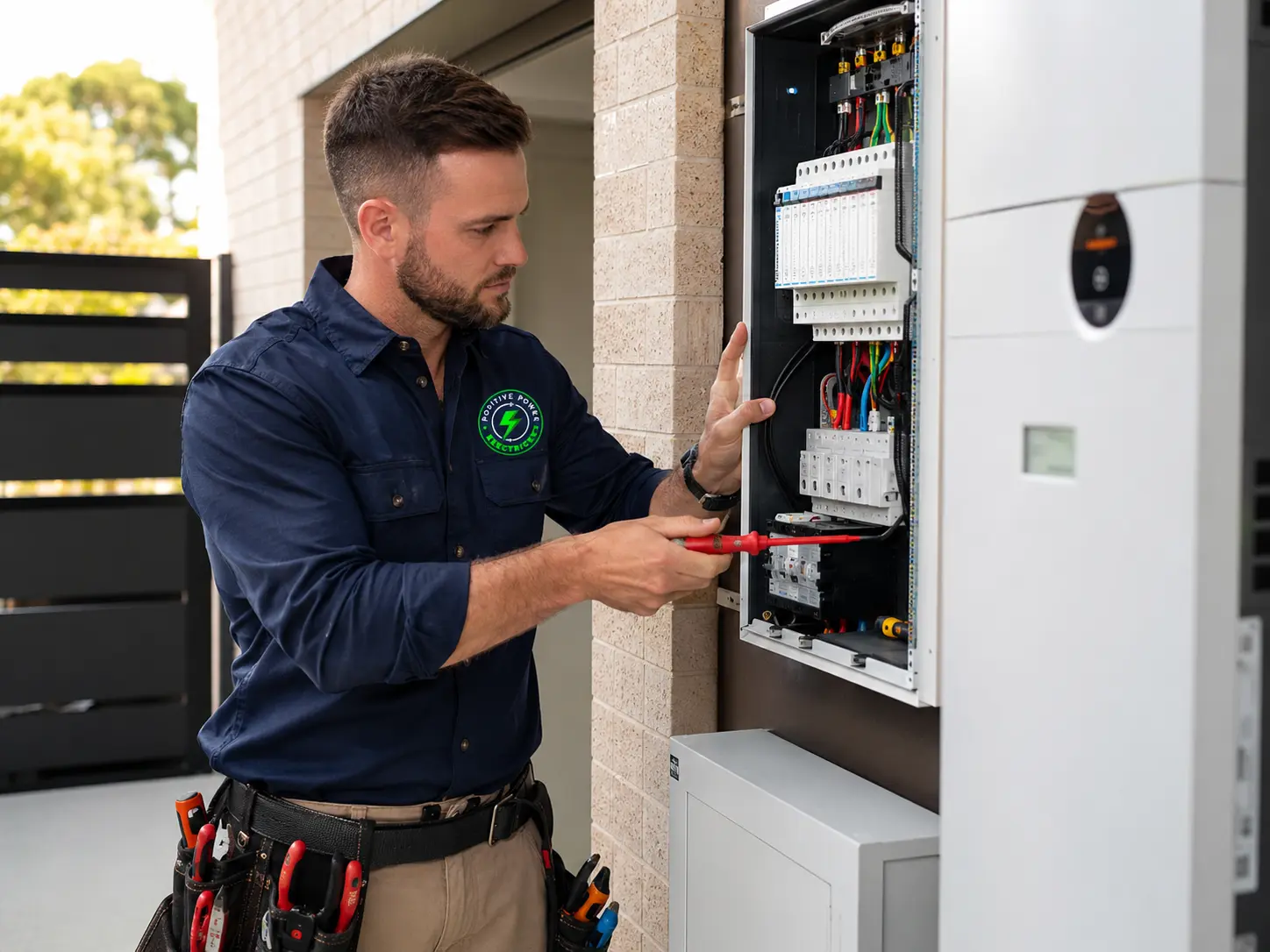
A new EV charger, renovated kitchen or extra home office can look like a standalone electrical project. In reality, each addition becomes part of the same electrical system, and problems often appear when nobody looks at how those changes interact. Homeowners planning upgrades often benefit from having an electrician Cherrybrook properties can rely on to assess the existing switchboard, circuits and future electrical demand before new work is added.
The Switchboard Is the Starting Point
The switchboard is where separate electrical demands meet. Lighting, powerpoints, appliances, air conditioning, EV charging and other circuits all depend on the board having appropriate protection and capacity.
A homeowner might call about installing one new circuit, but the more useful question is whether the existing board is suitable for the property’s present and future electrical requirements. A switchboard assessment can reveal limited circuit space, ageing equipment, inadequate protection or issues that deserve attention before another load is added.
This is particularly important when several upgrades are planned within a few years. Installing electrical infrastructure one project at a time without considering the bigger picture can lead to unnecessary rework.
Repeated Tripping Is Information, Not Just an Annoyance
A safety switch or circuit breaker that operates repeatedly is giving useful information about the electrical system. Resetting it may restore power, but it does not establish why the protection operated.
The pattern matters. If one appliance appears to trigger the problem, the investigation may begin there. If an entire circuit repeatedly loses power, the focus changes. If several areas are affected or there are signs of heat, scorching or unusual smells, the issue becomes more urgent.
Electrical fault finding is valuable because it separates the symptom from the cause. That distinction can prevent a homeowner from replacing equipment unnecessarily while the actual fault remains elsewhere in the system.
Safety Switches Protect Circuits Differently
Homeowners sometimes assume that having one safety switch means the entire property has the same level of protection. That is not necessarily the case.
Current NSW Government electrical safety guidance states that electrical wiring work must be performed by a licensed electrician. It also explains that safety switches, or RCDs, protect against electrical faults and that individual circuits require suitable protection. NSW Government guidance states that about 40% of house fires in NSW each year are caused by electrical faults and electrical appliances. That is one reason an electrical assessment should consider protection across the property rather than simply whether a switchboard contains an RCD somewhere
Renovations Change More Than the Room Being Renovated
A kitchen renovation may add an oven, cooktop, additional powerpoints and new lighting. A home office might add data cabling, multiple power outlets and equipment that runs for much of the day. A bathroom renovation can involve lighting, ventilation and electrically connected fixtures.
Each project changes demand or circuit requirements in some way.
The overlooked issue is that renovation planning often starts with finishes, appliances and layouts, while electrical infrastructure is considered later. Bringing electrical planning forward helps determine where new circuits, switches, powerpoints and data connections should go before walls and finishes make access more difficult.
Think About the Next Upgrade Too
If an EV purchase, solar-related electrical work, additional air conditioning or another renovation is likely later, tell the electrician during the current project. It does not mean every future upgrade needs to be completed now. It simply gives the electrician more context when assessing capacity, circuit arrangement and switchboard space.
EV Charging Makes Electrical Planning More Important
Home EV charging is a good example of why whole-system thinking matters. Installing a wall charger is not just a matter of mounting equipment beside a vehicle.
The electrician needs to consider where the vehicle parks, the route back to the switchboard, the charger’s electrical requirements and what capacity is available alongside the home’s existing loads. Some properties may be ready for the additional circuit. Others may require switchboard or related electrical work.
Planning becomes even more valuable in households that could eventually have two electric vehicles. The cheapest installation for today’s car is not always the most practical arrangement for tomorrow’s household.
Modern Homes Depend on Data as Well as Power
Electrical planning is increasingly connected with data and networking. Home offices, televisions, security cameras, wireless access points and connected devices can all benefit from proper cabling and sensible equipment locations.
Wi-Fi can solve many everyday connectivity needs, but fixed data points still have value where stable connections matter. Running data cabling during a renovation can also be far easier than trying to conceal new cables after the walls are finished.
This is another reason to think about the property as one system. Power, lighting, communications and security equipment increasingly share the same physical spaces even though they perform different jobs.
Compliance Should Be Visible After the Work
Electrical work is regulated for a reason. NSW Government guidance states that electrical wiring work must be performed by, or under the supervision of, a licensed electrician.
Following electrical work, electricians in NSW are also required to provide a Certificate of Compliance for Electrical Work where applicable. The certificate demonstrates that the work has been tested and complies with relevant regulations and standards.
For homeowners, this means choosing an electrical contractor should involve more than comparing the initial quote. Licensing, assessment, testing and documentation are part of the value of properly completed electrical work.
Good Electrical Planning Reduces Repeat Work
The biggest advantage of looking at the whole electrical system is not necessarily that more work gets done. Often, it means decisions are made in the right order.
A homeowner replacing lighting may discover the switchboard is already suitable and no wider upgrade is required. Another property may reveal ageing protection before a large renovation begins. A planned EV charger may influence where electrical capacity is allocated today.
The objective is not to replace everything pre-emptively. It is to understand what already exists, what condition it is in and how proposed changes fit into that system.
Treat the Electrical System as One Connected Asset
A home does not experience electrical upgrades as separate jobs, even if the invoices arrive years apart. Every new circuit, appliance, charger, light and data point becomes part of the same infrastructure. The smarter approach is to understand the existing system first, solve confirmed problems properly and make today’s electrical work compatible with where the property is heading next.