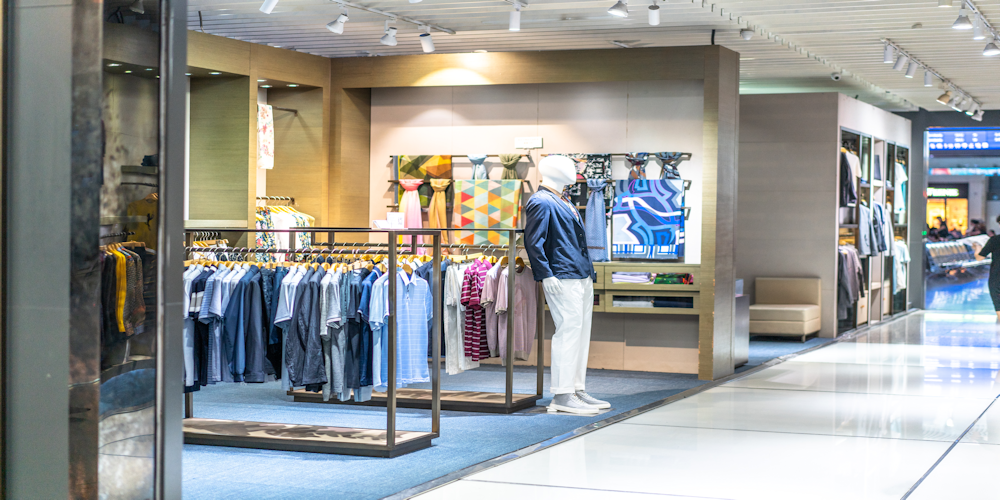
Interior design is no longer just about choosing attractive colours or stylish furniture; it’s a strategic business tool that can directly influence performance, perception, and growth. From commercial interior design that shapes customer journeys to workplace design that impacts staff satisfaction and productivity, the spaces you create physically express your brand and business priorities.
Thoughtful business interiors can attract the right customers, support your team, and reinforce the values you want to be known for. In a competitive market, aligning interior design with your business isn’t a luxury; it is a practical way to strengthen your brand experience and create a more effective business environment.
Aligning Interior Design with Your Business Identity
Your premises are often the first chapter of your brand story that customers encounter in person. Brand-focused interior design ensures that everything, from the layout to the lighting, reflects your visual identity and core values. Branded environments go beyond simply adding a logo to the wall; they use colour, materials, signage, and finishes deliberately to communicate what your business stands for. When interiors are consistently on-brand, they shape customer perception, reinforce trust, and create memorable first impressions.
A well-designed space can quietly tell your story: whether you are innovative and cutting-edge, warm and community-focused, or luxurious and exclusive. On-brand interiors become a powerful storytelling tool, connecting what people see and feel with how they remember your business.
From Footfall to Sales: How Interior Design Influences Customer Behaviour
The way a space is designed directly affects how people move, browse, and buy. In retail and hospitality interior design, strategic store layout planning and customer journey mapping guide visitors smoothly from entrance to point of sale. Elements such as clear sightlines, intuitive wayfinding, and well-positioned feature displays can increase dwell time and encourage customers to explore more of your offer. Sensory design, using sound, scent, lighting, and texture, helps shape the overall customer experience, making it more engaging and enjoyable. A carefully considered point-of-sale design can reduce queues, simplify decision-making, and subtly prompt add-on purchases. In this way, interior design becomes an invisible but powerful driver, turning mere footfall into higher engagement, loyalty, and ultimately increased sales.
Productivity, Wellbeing and Culture: The ROI of Good Workplace Design
In office interior design, the focus is shifting from simply housing employees to actively supporting how they work and feel. Well-planned workplace design can boost productivity by reducing distractions, enabling focus, and providing the right mix of collaborative spaces and private areas. Natural light, ergonomic design, good air quality, and comfortable acoustics can enhance employee wellbeing. As hybrid work becomes more common, interiors need to support flexible work patterns, from quiet solo tasks to virtual meetings and in-person collaboration.
When staff feel supported, safe, and inspired by their environment, morale, retention, and overall company culture improve. Investing in a thoughtful workplace layout sends a clear message that your employees matter, often translating into higher engagement and better performance.
Practical Design Elements That Transform Business Performance
Small, practical design decisions can add up to substantial improvements in how your business operates. Effective lighting design, for example, can highlight key products, improve concentration, and make spaces feel more welcoming. Understanding colour psychology in business lets you use tones that calm, energise, or reassure, depending on your objectives. Good acoustics and sound control are vital in offices, restaurants and clinics, where excess noise can undermine both comfort and productivity. Thoughtful space planning keeps areas easy to navigate and efficient, while the right furniture supports posture, flexibility, and long-term use.
Clear wayfinding and signage help customers and staff move confidently through your premises, improving efficiency and safety. Prioritising accessibility ensures that your space works for people of all abilities, widening your potential customer base. Choosing sustainable materials not only reduces environmental impact but also reflects positively on your brand values.
Interior Design as a Strategic Business Investment, Not a Cosmetic Cost
Treating interior design as a purely cosmetic exercise can lead to short-term, surface-level improvements that quickly date or fail to deliver real value. Treating it as a strategic business investment lets you consider ROI from the outset. A clear interior design budget, aligned with a broader refurbishment strategy, helps you balance cost and long-term value. You can phase commercial fit-out projects to manage cash flow while gradually transforming your environment. Well-planned, durable, and adaptable design often delivers long-term savings by reducing maintenance, improving energy efficiency, and avoiding frequent re-fits.
When your interior supports your business objectives, from higher sales to better staff retention, it becomes an asset that pays back, not a one-off expense.
Design for Different Business Types: Retail, Offices, Hospitality and More
Different businesses have different spatial needs, and effective interior design reflects that. Retail shop design might focus on product visibility, traffic flow, and impulse-purchase points, while restaurant interiors and café design emphasise atmosphere, comfort, and efficient service routes. Hotel lobby design must balance a strong first impression with practical requirements such as check-in, waiting areas and luggage flow. Clinic and healthcare interiors need to feel clean, professional and calming, reassuring patients while meeting strict regulatory standards.
Co-working spaces aim to create flexible, community-driven environments for diverse users. Salon and spa design focuses on relaxation, privacy, and indulgence, while professional services offices must convey trust, expertise, and discretion. Each sector has its own priorities, and tailored interiors help ensure the space supports how the business operates.
Creating a Consistent Customer Experience Across Multiple Locations
For franchises, chains, or businesses with multiple sites, consistency is key to building a recognisable, reliable brand. Multi-site interior design uses clear design guidelines to ensure core elements – such as colours, finishes, signage and layouts – are consistent across locations. Roll-out programmes let you implement a concept efficiently and at scale while still allowing local adaptation where needed. This balance between brand consistency and local market sensitivity helps customers know what to expect wherever they interact with your business.
Scalable design solutions make it easier to refresh or expand your estate in a controlled, cost-effective way. A coherent look and feel across all premises strengthens brand recognition and reinforces trust in the quality of service or products you provide.
Digital Meets Physical: Integrating Technology into Your Business Interior
Modern business interiors increasingly blend digital and physical experiences. Digital signage and interactive displays let you update promotions, share information, and guide customers in real time. In the workplace, smart office technology and room booking systems help manage hybrid meeting rooms and shared desks more efficiently. Touchless tech, such as automatic doors or sensor-operated taps, can improve hygiene and customer confidence, particularly in hospitality and healthcare settings. In experiential retail, interactive screens, product scanners and QR codes create a richer, omnichannel experience, linking in-store browsing with online content and purchasing.
When you thoughtfully integrate technology into the design rather than adding it as an afterthought, it improves usability, supports operations, and gives your environment a modern, future-ready edge.
Sustainability and ESG: How Interior Design Supports Your Business Values
Sustainable interior design lets your physical environment reflect and support your broader ESG strategy. Choosing eco-friendly materials, such as low-VOC finishes or responsibly sourced timber, reduces your environmental footprint and improves indoor air quality. Energy-efficient lighting and heating solutions help lower running costs while demonstrating a commitment to greener operations. Circular design principles, such as reusing, refurbishing, or upcycling existing elements, minimise waste and extend the life of your fit-out.
Pursuing green certifications can provide measurable evidence of your environmental performance and appeal to increasingly values-driven customers and staff. By visibly aligning your interiors with corporate social responsibility goals, you turn your space into a tangible expression of your business values.
Working with an Interior Designer: Process, Timelines and What to Expect
Collaborating with a commercial interior designer gives you access to professional expertise and a structured process that reduces risk and stress. It typically begins with a detailed design brief, capturing your business goals, brand, budget and practical requirements. From there, concept development and mood boards help you visualise the proposed design’s overall direction, look, and feel. The space planning process ensures that every square metre is used effectively, supporting circulation, work patterns and customer journeys. Designers often coordinate with fit-out partners and manage project stages, from technical drawings to installation, helping you stay on schedule and within budget.
In the UK, they can also advise on planning permissions and regulatory compliance where needed. Clear communication at each stage means you know what to expect, when disruptions may occur, and how the final result will support your business.
Measuring Success: How to Track the Impact of Interior Design on Your Business
To treat interior design as a business tool, you need ways to measure its impact. Before-and-after comparisons can highlight improvements in key business performance metrics, such as sales uplift, average transaction value or conversion rates in retail settings. Customer satisfaction surveys and online reviews can reveal how people feel about your space and whether their experience has improved. In workplaces, staff engagement scores, productivity measures, and absenteeism rates can indicate whether changes support wellbeing and efficiency.
Occupancy rates and usage patterns across different areas, such as meeting rooms, collaborative zones, or quiet spaces, show how effectively the layout is used. Establishing clear design KPIs at the outset helps you track whether the project has met its objectives and provides evidence for future investment decisions.
Make Interior Design a Core Part of Your Business Growth Strategy
Interior design and your business success are closely linked. Treat your space as a strategic asset, not a backdrop, to strengthen your brand, improve customer and staff experiences, and gain a competitive advantage. Strategic interiors can support business transformation, from repositioning your brand to enabling new ways of working or selling.
With careful planning, measured results, and design choices aligned with your wider goals, you turn your environment into an active contributor to growth. Next, take action: critically review your current space, identify where it helps or hinders your aims, and consider working with a designer to create a more purposeful, future-ready interior that supports your business ambitions.